





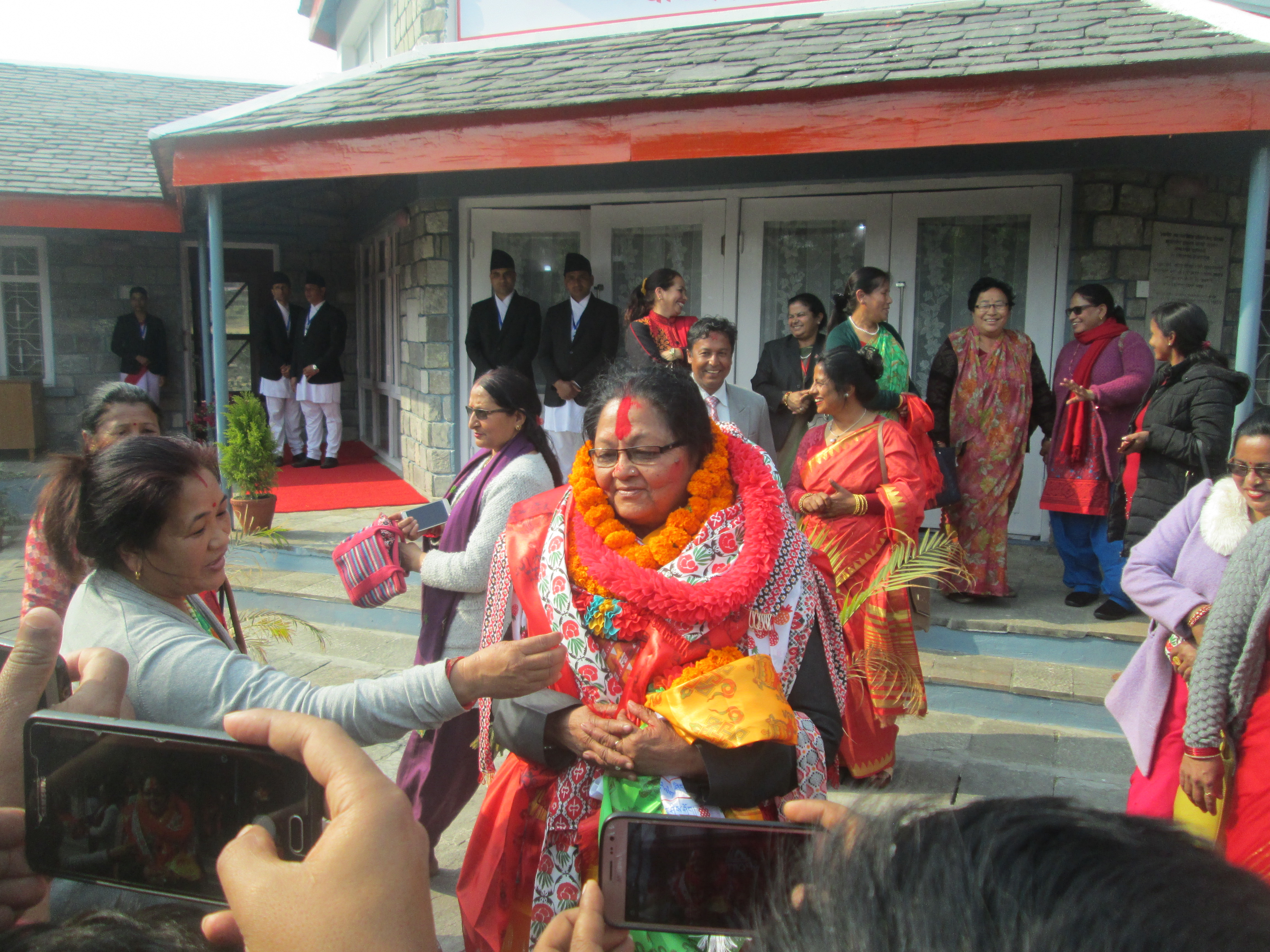
‘Women still not receiving remuneration equal to men’
POKHARA: Deputy Speaker of Province 4 Srijana Sharma has pointed out that women are receiving lower remuneration in comparison to their male counterparts despite the constitution prioritising women participation at all levels.
Addressing an interaction programme — focusing on the participation, role and challenges of women — organised by Press Club Pokhara to mark the 108th Women’s Day today, Sharma stated that women are still facing discrimination in the 21st century.
She said, the discrimination and violence faced by women are prevalent in the society; majority of the women rights guaranteed by the constitution to women, which are already limited in numbers, have not come into implementation yet.
She further added that there are differences in the remuneration of men and women doing the same kind of work, which is discrimination. "The women in cities might be receiving just remuneration in line with their male counterparts, but the women in rural areas are receiving very low salaries or wages in comparison to men."
Sharma also lamented that even media has not been able to sufficiently publicise the voices of women facing such discrimination.
Province Assembly member of Province 4, Man Kumari Gurung said that women representatives have to rise above politics to relieve women, who have been victims of violence for hundreds of years. She added, “Same remuneration should be provided to men and women for performing same level of work, however this is not happening so far.�
Gurung further informed, the new constitution states that 33 and 40 percent women participation is mandatory at the central and locals levels respectively, but this has not been fully realised. The women are capable, and yet they are being dominated by men.
Likewise, another Provincial Assembly member, Prabha Koirala, shared that discrimination in remuneration among men and women is a global problem, however, this practice is more widespread in Nepal. Employment opportunities must be increased and such discrimination brought under control in order to retain the women youth in the country.
