








Nepal Gas sets precedent by destroying 679 unsafe cylinders
- NBSM says 90pc of over 10-year-old LPG cylinders circulated in the market have not undergone hydraulic tests
Kathmandu, February 7
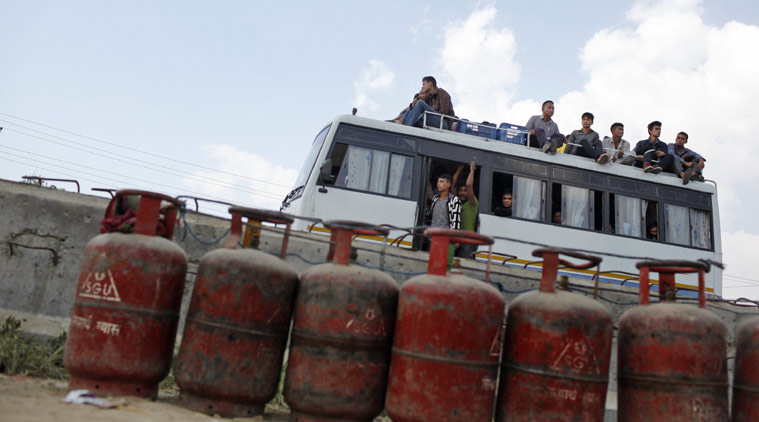
At a time when gas bottlers have been accused of supplying low-quality liquefied petroleum gas cylinders in the market, Nepal Gas Ltd — a major player in Nepal’s LPG market — today destroyed more than 679 old and unsafe cylinders to ensure consumer safety.
This is the first time that any gas company has destroyed old cylinders in public view, admitting that the cylinders posed a threat to the safety of consumers. As a result of weak law enforcement in Nepal, a large number of old LPG cylinders that have not undergone any hydrostatic testing are being circulated in the market.
The law requires hydraulic testing, which measures a cylinder’s capacity to withstand pressure, after an LPG cylinder is 10 years old and once every five years thereafter.
“Destroying old cylinders is in line with the commitment of Nepal Gas to ensure consumer safety,” Rajendra Dangal, manager of Nepal Gas, said, adding that the company had destroyed around 900 old cylinders last year.
According to the government’s data, almost 7.8 million LPG cylinders are being circulated in the market. Nepal Gas claims to have almost 16 per cent share of the domestic LPG market.
Though other bottlers also claim that they have been destroying old cylinders, Director General of Nepal Bureau of Standards and Metrology Bishwo Babu Pudasaini said almost 90 per cent of LPG cylinders in the market had not undergone hydraulic testing though they were more than 10 years old.
However, LP Gas Industry Association President Shiva Ghimire has time and again vouched for the safety of cylinders being circulated in the market. Ghimire’s cellphone was switched off today and he did not respond to the text message seeking his comment.
An HP Gas cylinder had exploded in Lalitpur in June last year, killing three. Subsequent investigation had cited ‘poor quality’ of the cylinder to be the main reason behind the fatal accident. Afterwards, stakeholders expressed serious concerns about the quality of LPG cylinders in the market.
Bhanubhakta Khanal, spokesperson for Nepal Oil Corporation, said gas bottlers should conduct hydraulic test of cylinders in a timely manner, destroy unfit cylinders periodically and should not compromise with safety standards. “Consumer safety is the responsibility of all LPG stakeholders and they should work together to ensure that every kitchen in the country is safe,” Khanal said.
