





Ban on smoking, tobacco use in public places bears no fruit
Kathmandu, May 5
As many as two dozen street vendors openly sell cigarettes and tobacco products outside the main entrances of the Bir Hospital and Paropakar Maternity and Women’s Hospital violating the existing laws.
Another common sight outside these hospital buildings is of people puffing on cigarettes, making mockery of the ‘no smoking’ signs on the compound walls.
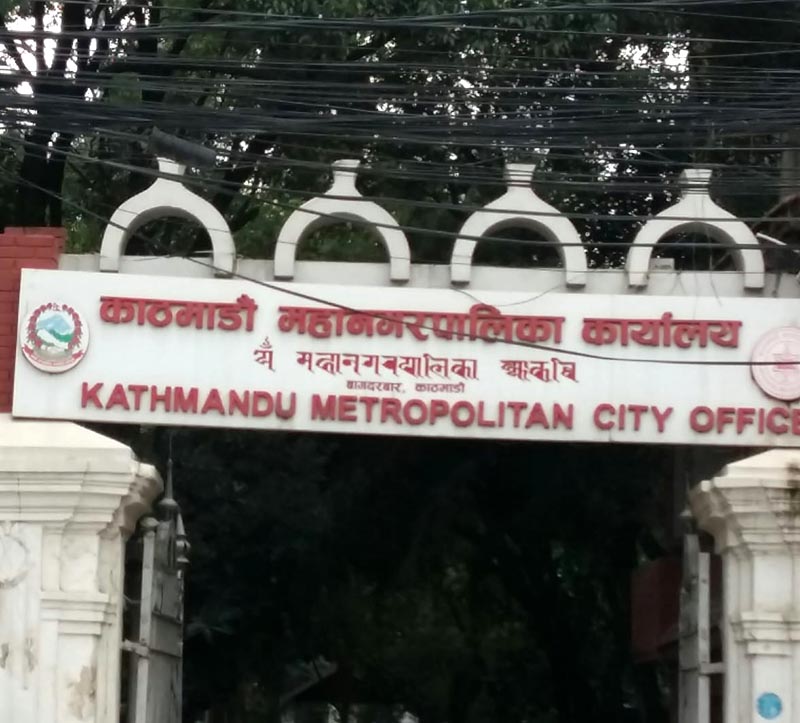
It has not been long since Kathmandu Metropolitan City decided to adopt strict measures against purchase, sale and consumption of tobacco or smoking in public places such as hospitals and educational institutions.
In the month of February last year, KMC had decided to deploy city police to check purchase and sale of tobacco at such places.
KMC had also announced that anyone found dealing in tobacco products and smoking in public places would be fined Rs 100 to Rs 1,000.
Despite the announcement, the incidents above testify that laws are neither respected nor enforced in KMC.
Authorities concerned seem least interested in implementing or making people aware about the laws.
Moreover, ritualistic campaigns launched by KMC time and again seem to have least impact on people.
On Friday, KMC yet again decided to launch a campaign with support of Nepal Police and various government hospitals in a bid to control purchase, sale and consumption of tobacco products and smoking in public places.
This is the third time KMC is organising such campaigns in the last four years.
It is yet to be seen what impact this campaign will have on those engaged in purchase, sale and consumption of tobacco products and smoking in public places. Stakeholder seem doubtful about effectiveness of the campaign.
The Tobacco Product (Control and Regulatory) Act-2011 bars smoking in public places — educational institutes, health institutes and public parks.
Last year, KMC had said that it would not allow shop owners to put tobacco products and cigarettes on display. KMC had also stated that it would put a ban on sale of such products to minors and pregnant women.
Head of Public Health Division at KMC Narendra Bilas Bajracharya admitted that they could not do much to implement laws except for forming a committee to launch the campaign.
However, he did not hesitate to pass the blame on stakeholders and general public for ineffectiveness of the campaign.
According to a recent data made public by the government 30,000 people die in a year due to tobacco related diseases in Nepal.
