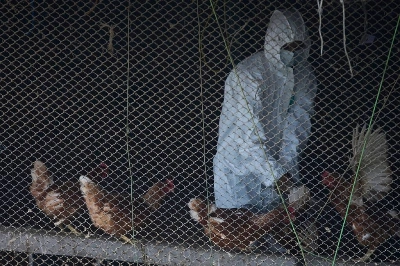
Compensation for affected poultry farmers begins as authorities warn against sale of infected birds and step up containment efforts across 11 districts
KATHMANDU, JULY 3
The government has released Rs 500 million to compensate poultry farmers hit by Nepal's expanding bird flu outbreak, as authorities warned of strict legal action against anyone selling infected poultry and urged the public to remain vigilant against the risk of human transmission.


The Ministry of Agriculture, Forest and Environment has transferred the funds to the Department of Livestock Services to provide compensation to farmers whose poultry and related products were destroyed as part of disease-control measures. Under the Bird Flu Disease Control (Fourth Amendment) Regulation, 2074, affected farmers are eligible to receive compensation of up to 75 percent of their verified losses.
Department spokesperson Dr Mukul Upadhyay said the compensation package comes in response to mounting financial losses suffered by poultry farmers after the highly pathogenic avian influenza spread across 11 districts, including Kathmandu, Lalitpur, Bhaktapur, Kavrepalanchok, Jhapa, Morang, Sunsari, Mahottari, Bara, Chitwan and Nawalparasi.
According to the Department, around 700,000 birds, 1.1 million eggs and 300,000 kilograms of poultry feed have been destroyed during containment operations, with total losses estimated at about Rs 700 million.
The Department had sought financial support from the ministry to expedite compensation payments to affected farmers.
Meanwhile, the Department has warned poultry traders against selling chickens, ducks, quails or other birds infected with avian influenza, saying violators will face legal action.
"We will take strict action against anyone found trading infected poultry. Public health cannot be compromised," Dr Upadhyay said.
The Department has also urged the public to exercise caution while handling dead birds, warning that improper disposal of infected poultry and unsafe culling practices could increase the risk of the virus spreading to humans.
Veterinary technicians and Rapid Response Teams have been mobilised in all affected districts to contain the outbreak. Officials said control measures have already shown progress in some areas, while surveillance, culling and disinfection operations continue in others.
The latest government intervention comes days after authorities intensified biosecurity measures following the continued spread of bird flu from its initial detection in Morang in March. Officials have linked the wider transmission to infected wild birds, particularly crows, and the improper disposal of dead poultry, prompting tighter monitoring of poultry movement and enhanced disease surveillance nationwide.